Epilepsy Myths Debunked: What Patients and Families Need to Know
By Dr. Sudheer Pandey · February 26, 2025
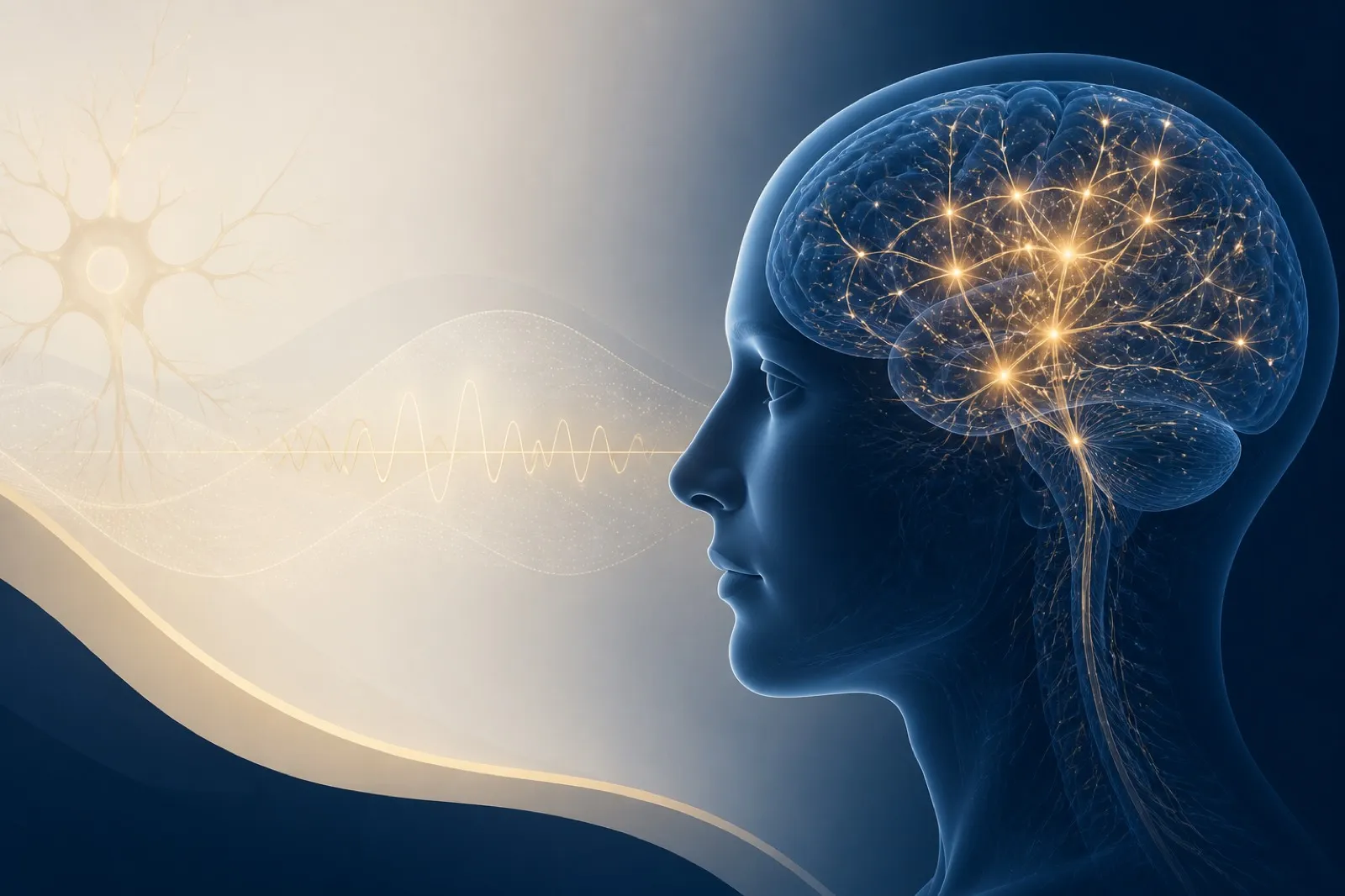
Epilepsy is one of the most common neurological conditions, affecting roughly 50 million people worldwide. Yet it remains surrounded by myths and misunderstanding — myths that delay treatment, isolate patients and prevent people from leading the full lives that modern medicine makes possible.
Myth 1: Epilepsy is contagious. This is completely false. Epilepsy is a brain condition caused by abnormal electrical activity. It cannot be transmitted by touch, breath, saliva or any other means. People with epilepsy can — and do — live, work and form relationships exactly like anyone else.
Myth 2: Seizures always mean violent convulsions. In fact, many seizures are subtle: brief staring spells, sudden confusion, an odd taste or smell, repetitive movements of the hands, or moments of déjà vu. These 'focal' seizures are often missed for years before being recognised as epilepsy.
Myth 3: You should put something in the mouth during a seizure. Never. Doing so can break teeth, injure the jaw or block breathing. The correct action is to gently turn the person on their side, place something soft under the head, time the seizure, and call for help if it lasts more than 5 minutes or repeats without recovery in between.
Myth 4: People with epilepsy cannot live a normal life. With modern treatment, about 70% of patients become completely seizure-free. They can drive (after a defined seizure-free period), work, marry, have children and pursue almost any career. The handful of restrictions are sensible precautions, not life sentences.
Myth 5: Epilepsy medication is dangerous and should be stopped as soon as possible. Modern anti-epileptic drugs are generally well tolerated and have transformed outcomes. Stopping medication suddenly is one of the most common causes of severe breakthrough seizures. Any change in treatment should always be made gradually under neurologist supervision.
Myth 6: Epilepsy is always inherited. Most epilepsies are not genetic in the simple sense. Many are caused by past brain injury, infection, structural lesions or have no identifiable cause. The risk of passing epilepsy to children is, for most patients, small.
What families really need to know is this: epilepsy is highly treatable. With accurate diagnosis through EEG and MRI, the right medication, regular review and basic lifestyle measures (good sleep, avoiding alcohol excess, taking medication on time), the vast majority of patients achieve excellent control with specialists such as Dr. Sudheer Pandey in New Delhi.