Understanding Migraines: Why They Happen and How to Stop Them
By Dr. Sudheer Pandey · March 12, 2025
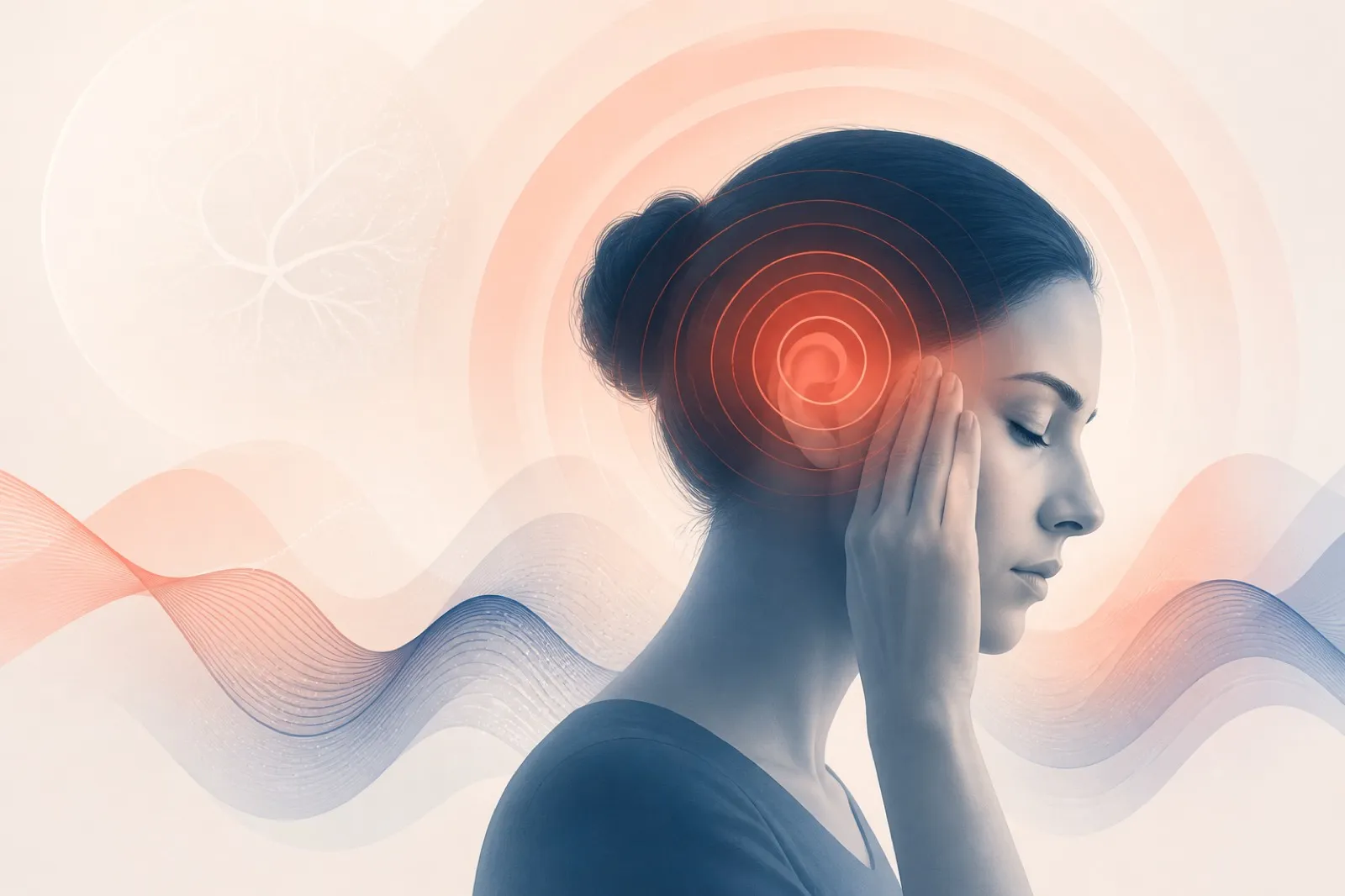
Migraine is one of the most common neurological disorders in the world, affecting about one in seven people. Despite this, it remains widely misunderstood. Many patients are told they simply have a 'bad headache' and given painkillers — when in reality migraine is a distinct brain condition with specific mechanisms that respond to specific treatments.
What actually happens in a migraine? Current understanding points to a hypersensitive brain that reacts strongly to internal and external triggers. A wave of altered electrical activity, called cortical spreading depression, can produce the visual aura some patients experience. This is followed by activation of the trigeminal nerve system, release of inflammatory chemicals around blood vessels, and the throbbing pain, nausea and light sensitivity that define an attack.
Recognising your triggers is the first step in regaining control. Common triggers include irregular sleep, skipped meals, dehydration, hormonal fluctuations, bright or flickering lights, strong smells, certain foods (aged cheese, chocolate, processed meats) and — paradoxically — caffeine withdrawal. Keeping a simple migraine diary for 4–6 weeks helps identify your personal pattern.
Treatment has two pillars. Acute treatment aims to stop an attack quickly: triptans, anti-nausea medication and adequate hydration are the cornerstones. Preventive treatment aims to reduce attack frequency: beta-blockers, topiramate, amitriptyline and, in selected patients, CGRP-targeted antibodies have transformed outcomes for chronic migraine sufferers.
Lifestyle changes matter enormously. Regular sleep, regular meals, moderate aerobic exercise, stress management and limiting screen exposure all reduce attack frequency. Magnesium, riboflavin and CoQ10 supplements have modest evidence for prevention and are worth considering with your neurologist.
When should you see a neurologist? If you have more than four headache days a month, if attacks are disabling, if your usual treatment is no longer working, or if you have new neurological symptoms with your headaches — it is time to seek specialist care with Dr. Sudheer Pandey in New Delhi. Most patients see a substantial reduction in attacks within 8–12 weeks of starting a proper plan.
Migraine is not something you have to simply live with. With accurate diagnosis and modern treatment, the majority of patients reclaim their quality of life. The key is to stop normalising the pain and start treating migraine as the neurological condition it truly is.