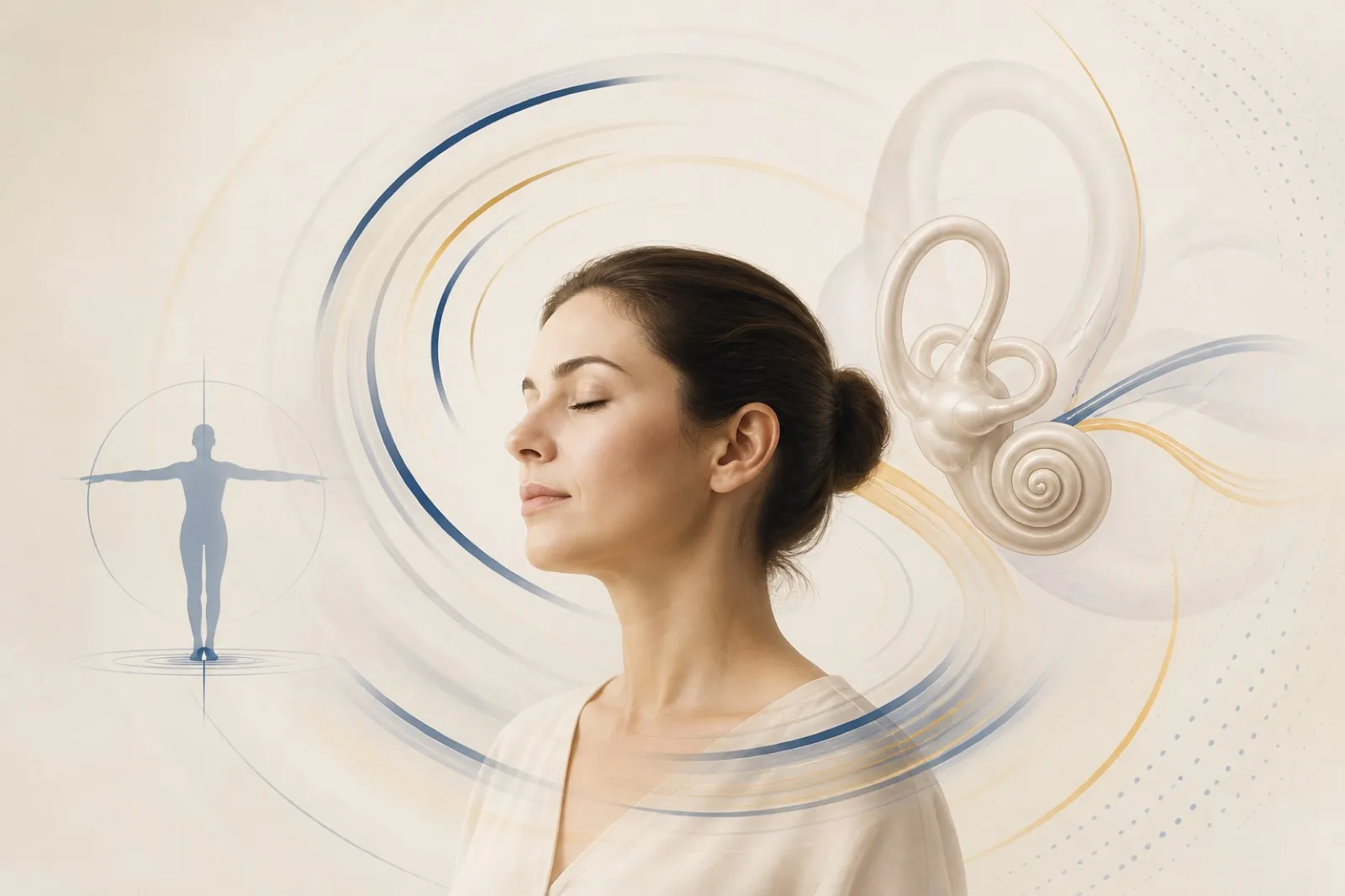
Can Vertigo Come from the Neck? What Neurology Says
By Dr. Sudheer Pandey · July 10, 2026
Quick answer
Neck problems can contribute to unsteadiness (cervicogenic dizziness), but true spinning vertigo is more often from the inner ear or brain — a neurologist should rule out BPPV and central causes first.
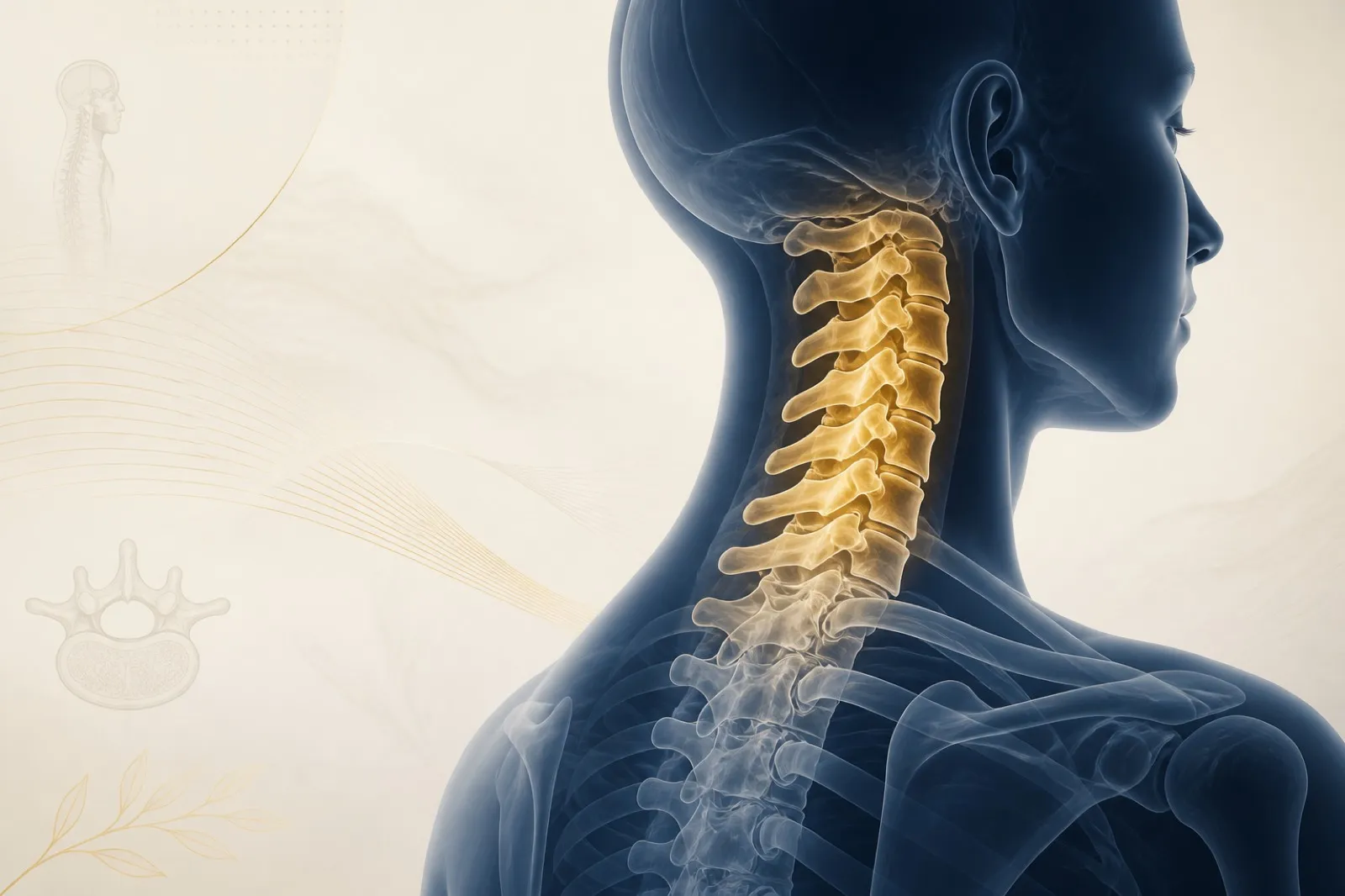
Can vertigo come from the neck? Sometimes — but less often than social media suggests. Cervical dizziness is usually a sense of unsteadiness or light disorientation linked to neck pain and posture, not classic room-spinning attacks lasting seconds with position change (classic BPPV).
True spinning vertigo triggered by rolling in bed is BPPV until proven otherwise. Treating only the neck while crystals remain displaced in the inner ear delays recovery. Conversely, chronic neck muscle spasm can follow vestibular problems because patients hold their head stiffly to avoid triggers.
Red flags that are not 'just cervical': sudden vertigo with neurological deficits, thunderclap headache, hearing loss with ear fullness and roaring tinnitus (consider Meniere's), or progressive imbalance. These need neurological assessment and sometimes MRI.
Dr. Sudheer Pandey's approach in Delhi clinics is stepwise: characterise the sensation, examine eye movements and positional testing, assess the neck, then image only when indicated. Many patients improve with a repositioning manoeuvre plus posture correction rather than long courses of unnecessary neck imaging.
If you have both neck pain and dizziness, bring a clear symptom diary: duration of spins, triggers, hearing change, headache and any arm numbness. That detail shortens time to the right diagnosis.
Bottom line: the neck can contribute to dizziness, but do not accept 'cervical spondylosis' as the only answer without a proper vestibular and neurological exam.