Difference Between Migraine and Stroke: Symptoms You Must Know
By Dr. Sudheer Pandey · July 5, 2026
Quick answer
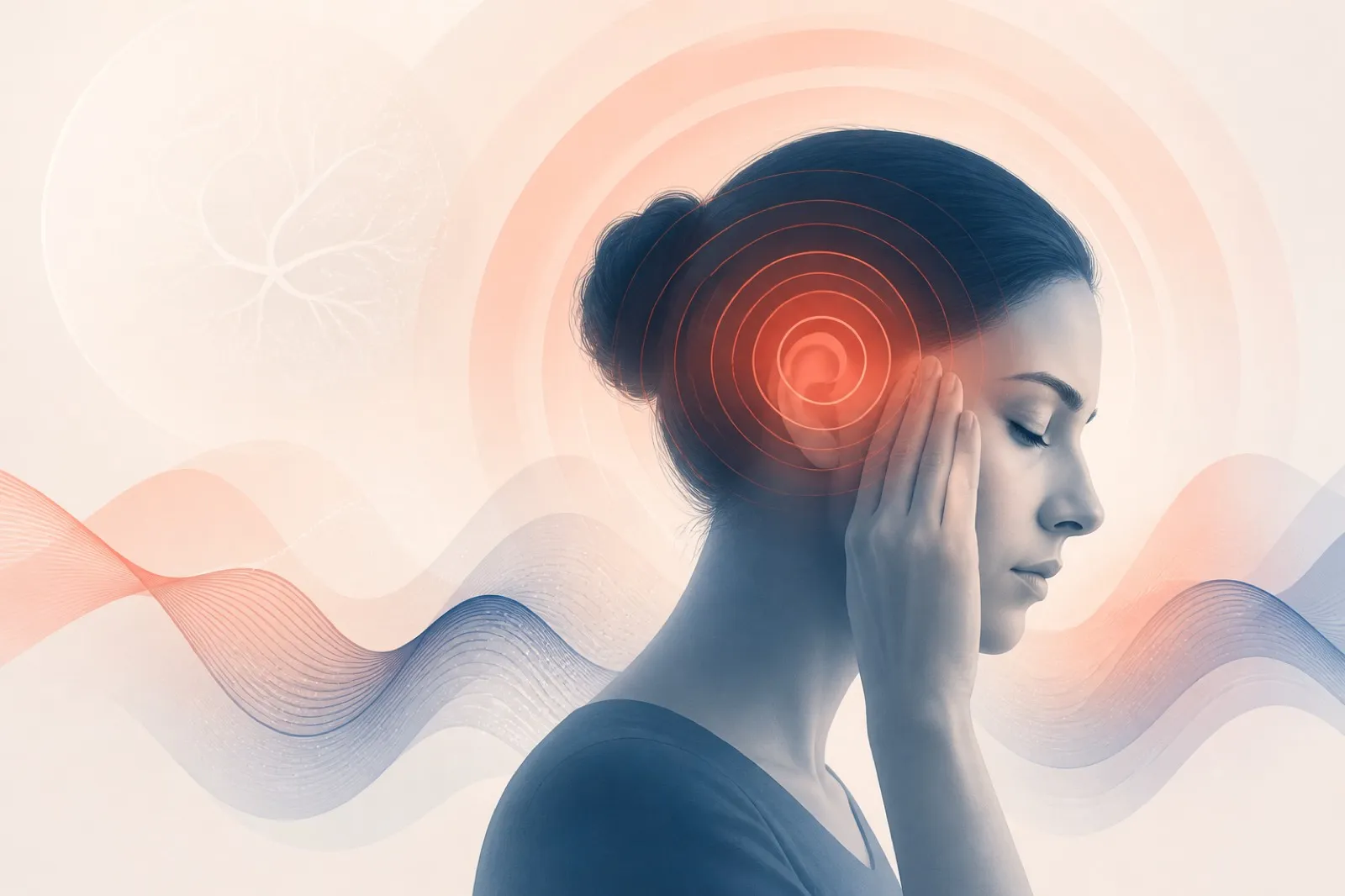
Migraine often builds over minutes with throbbing pain, nausea and light sensitivity; stroke symptoms are sudden — face/arm/speech changes — and need emergency care even if a migraine history exists.
Migraine and stroke can both cause headache, visual change and one-sided symptoms — which is why patients (and sometimes families) panic. The timing and associated features usually separate them, but when in doubt, treat as stroke until proven otherwise.
Migraine typically evolves over 5–60 minutes if aura is present, then headache with nausea and light/sound sensitivity follows. Attacks often resemble previous migraines. Patients may have years of a similar pattern and feel exhausted afterward (postdrome).
Stroke symptoms start suddenly — within seconds. Face droop, arm drift, speech difficulty, sudden vision loss or inability to walk are F.A.S.T. emergencies. Headache may be absent in ischaemic stroke. Age, atrial fibrillation, hypertension and smoking raise stroke probability.
Migraine with aura slightly increases lifetime stroke risk, especially in smokers using oestrogen contraceptives — another reason specialist advice matters. New neurological symptoms after age 50, or a first 'worst ever' headache, need urgent evaluation rather than assuming migraine.
Dr. Sudheer Pandey helps patients in New Delhi distinguish complex migraine from TIA/stroke using history, examination and imaging when indicated, then builds prevention plans for both recurrent migraine and vascular risk.
Bottom line: familiar migraine pattern → outpatient neurology plan. Sudden F.A.S.T. symptoms or first thunderclap headache → emergency department now.