Movement Disorders Treatment Specialist: Tremor, Parkinson's & More
By Dr. Sudheer Pandey · July 28, 2026
Quick answer
A movement disorders specialist diagnoses Parkinson's, essential tremor, dystonia and related conditions using clinical exam first, then medications, physiotherapy, botulinum toxin or advanced therapies when needed.
Movement disorders affect the speed, smoothness and control of voluntary and involuntary movement. Common presentations include rest tremor, action tremor, rigidity, slowness (bradykinesia), dystonia and gait freezing. A specialist neurologist separates look-alike conditions because treatment differs widely.
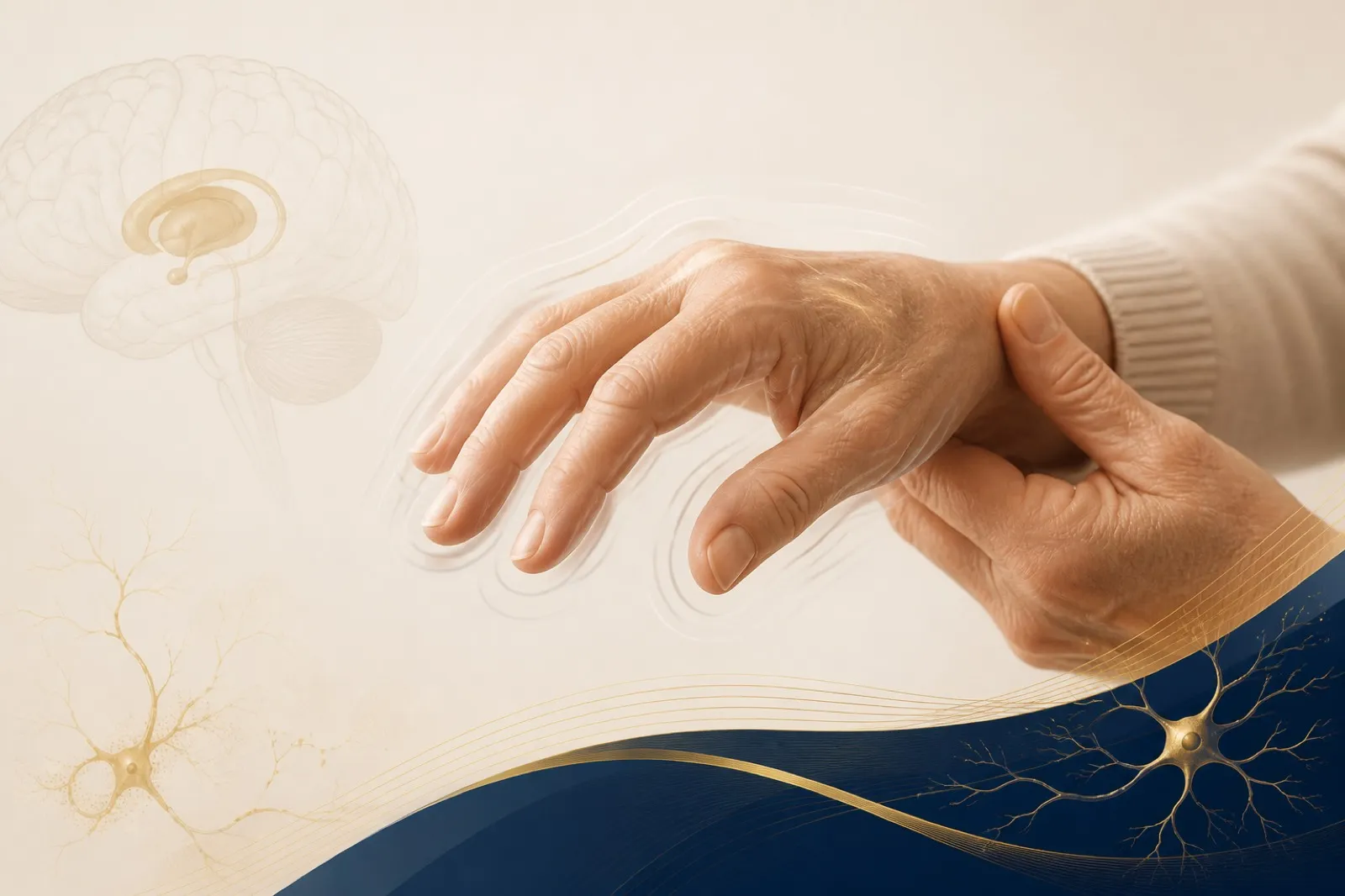
Parkinson's disease typically combines slowness, rigidity and often a rest tremor, sometimes with soft speech, smaller handwriting, reduced arm swing and non-motor clues such as loss of smell or dream enactment. Essential tremor usually appears with posture or action (holding a cup, writing) and often runs in families.
Dr. Sudheer Pandey evaluates movement disorders with a detailed neurological examination, medication review and imaging when red flags suggest an atypical syndrome. Treatment may include levodopa and adjunct drugs for Parkinson's, beta-blockers or primidone for essential tremor, and botulinum toxin for selected dystonias.
Exercise is disease-modifying for Parkinson's — structured physiotherapy, balance training and aerobic activity improve outcomes alongside medicines. Caregiver education on falls, swallowing and medication timing is part of specialist care in Delhi clinics.
Advanced options such as deep brain stimulation are considered for selected patients after medication optimisation. Your neurologist will refer to a DBS centre only when criteria are met — not as a first step.
If tremor, stiffness or slowed movement is interfering with work or self-care, book a movement-focused neurology consult rather than self-medicating with over-the-counter remedies.