5 Warning Signs of Stroke You Should Never Ignore
By Dr. Sudheer Pandey · March 5, 2025
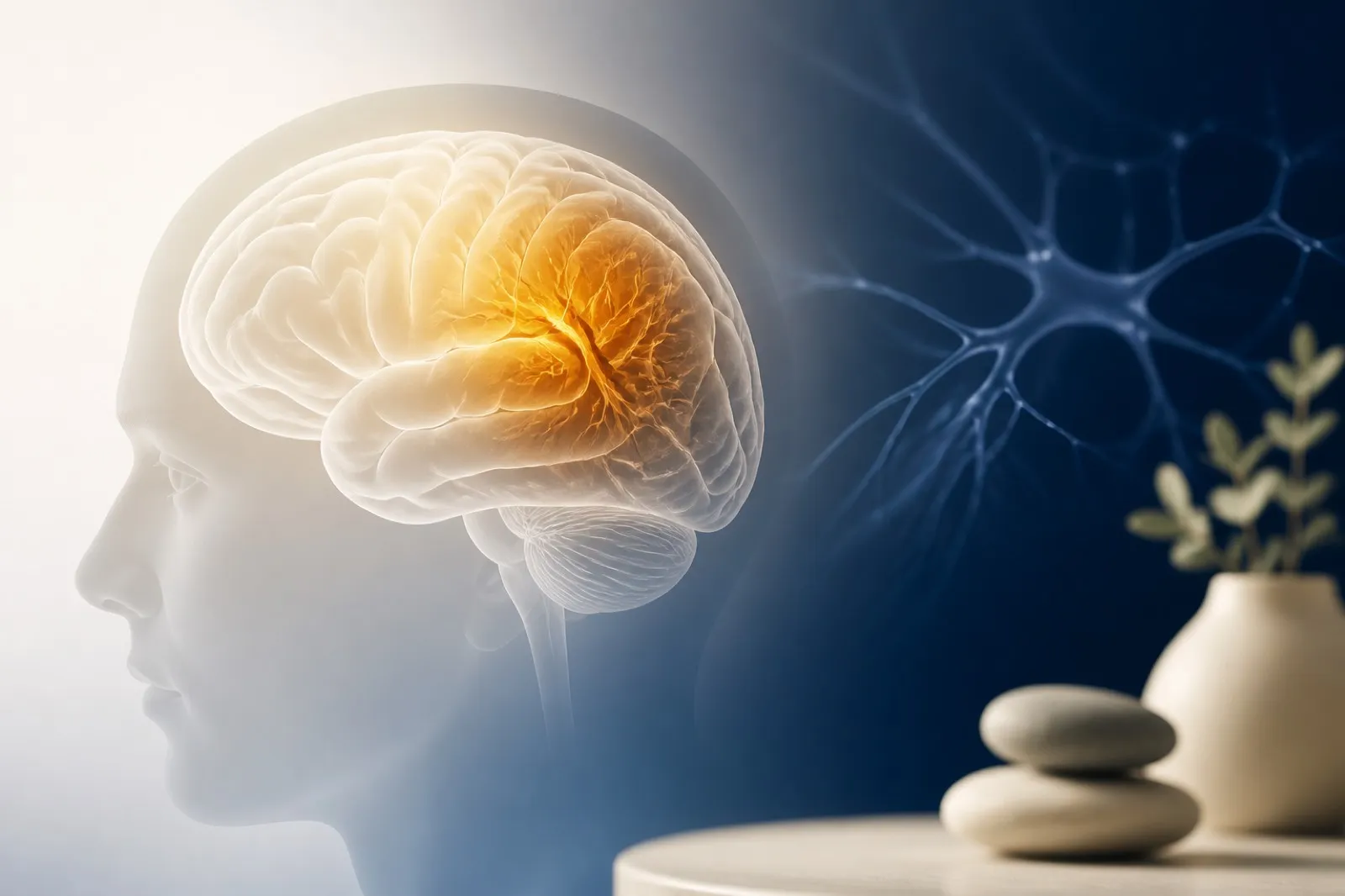
Stroke is the second leading cause of death globally and the leading cause of long-term disability in adults. The treatments available today can dramatically reduce damage — but only if patients reach hospital fast. Recognising the warning signs is the single most important thing the public can do.
The acronym F.A.S.T. is the simplest way to remember the key signs. F is for Face — does one side of the face droop when the person smiles? A is for Arms — when both arms are raised, does one drift downward? S is for Speech — is speech slurred, strange or absent? T is for Time — if any of these signs are present, it is time to call emergency services immediately.
But there are other warning signs that are equally important and often missed. First, sudden severe headache — described as 'the worst headache of my life' — may signal a haemorrhagic stroke. Second, sudden loss of vision in one eye or double vision, especially if painless, must never be dismissed. Third, sudden vertigo with vomiting and imbalance — particularly if the person cannot walk — may indicate a stroke in the brainstem or cerebellum.
The fourth warning sign is sudden numbness, often on one half of the body or face. This is sometimes mistaken for 'sleeping on the arm' and ignored, especially if it improves. Fifth, sudden confusion or difficulty understanding people — even briefly — is a major warning. A 'transient ischaemic attack' (TIA), where symptoms resolve within an hour, is the strongest predictor of a major stroke in the following days.
Why does speed matter so much? In ischaemic stroke (clot), clot-busting medication is most effective within 4.5 hours of symptom onset, and clot-retrieval procedures within 6–24 hours in selected patients. Every minute of delay means more dead brain cells. In haemorrhagic stroke (bleed), rapid imaging and blood pressure control improve outcomes substantially.
Risk factors are largely controllable. High blood pressure is the biggest single contributor. Diabetes, high cholesterol, smoking, obesity, sedentary lifestyle, excessive alcohol and atrial fibrillation are major modifiable risks. Regular check-ups and treating these conditions are the most powerful stroke prevention tools we have.
If you or anyone around you develops sudden weakness, speech change, vision loss, severe headache or confusion — do not wait, do not 'see if it improves'. Call emergency services or rush to the nearest stroke-capable hospital. For follow-up stroke care in Delhi, consult Dr. Sudheer Pandey. In stroke, time is brain.